

Angaza Center’s Member School Program helps rural African high schools build sustainable digital-learning environments through device access, teacher training, and our Essential Digital Literacy curriculum. By equipping schools with technology, empowering educators, and integrating digital learning into the weekly school experience, we help students gain the foundational skills they need to thrive in school, work, and life.
Building the foundation for digital opportunity in rural African high schools
The Member School Program is the heart of Angaza Center’s work. Through this program, we partner with underserved rural high schools across Africa to create sustainable pathways for students to access technology and build the digital skills that are now essential for modern education, employment, entrepreneurship, and civic life.
At the center of the program is our Essential Digital Literacy curriculum; a practical, foundational learning experience designed to help students develop confidence and competence in using technology. We believe digital literacy is no longer optional. It is as important to a young person’s future as reading, writing, and numeracy. Yet for many students in rural communities, access to technology and digital learning remains far out of reach. The Member School Program exists to change that.
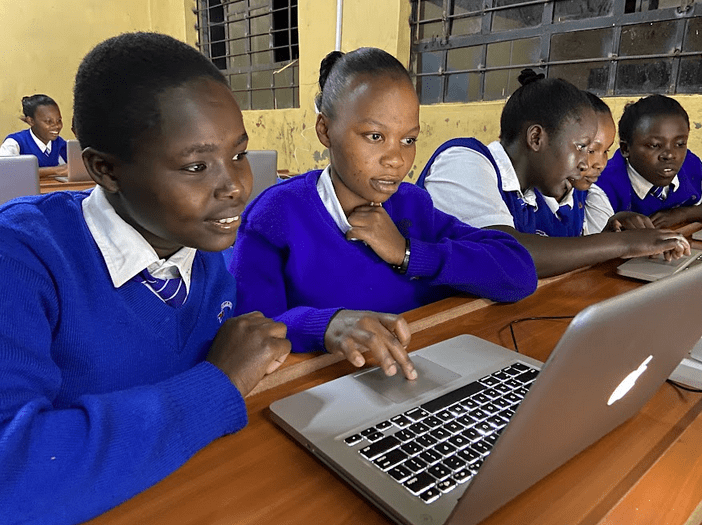
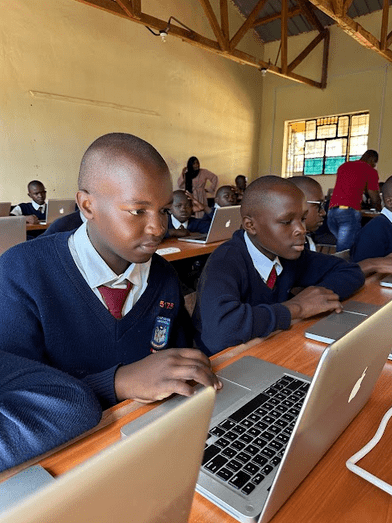
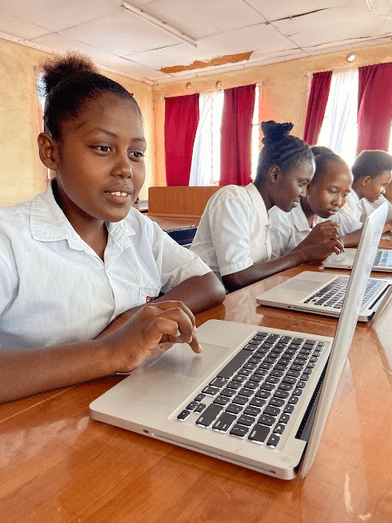
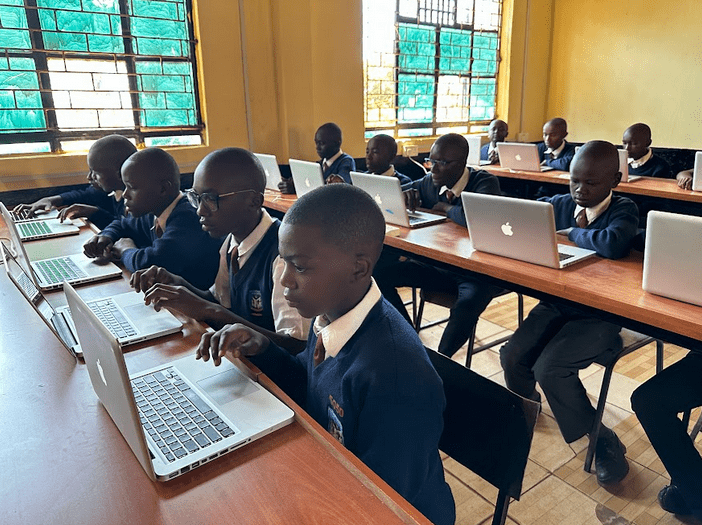
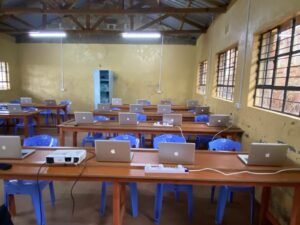
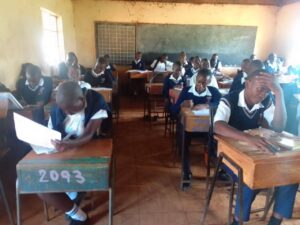
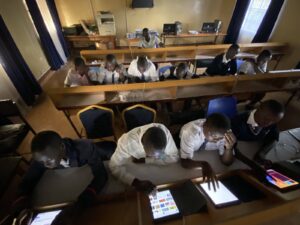
Each Member School partnership is designed for sustainability. Angaza Center donates 40 laptops or tablets to the school and works with school leadership to designate an existing classroom as a Digital Resource Center. Instead of requiring costly new infrastructure, we build on what the school already has; making the model practical, community-friendly, and easier to sustain over time.
We also train existing teachers through a train-the-trainer model, ensuring that digital learning becomes embedded within the school rather than dependent on outside presence. By integrating EDL into the weekly school calendar, schools can give more students regular, hands-on opportunities to engage with technology in a structured and repeatable way.
The result is more than device access. It is a school-wide shift toward digital readiness; one that strengthens learning, expands opportunity, and helps ensure that students in rural communities are not left behind in an increasingly digital world.
What schools receive
- 40 laptops or tablets
- Support setting up a Digital Resource Center
- Teacher training on the EDL curriculum
- Guidance on integrating digital learning into the school calendar
Why it matters
- Expands student access to technology
- Builds teacher capacity
- Creates a sustainable digital-learning model
- Prepares students for a more digital future